competition link: https://eco.ca/work-integrated-learning/100-hour-net-zero-student-challenge/
Optimize energy usage in buildings using AI-driven data analysis, application that gathers data from building sensors to optimize energy consumption using predictive analysis.
This repository contains:
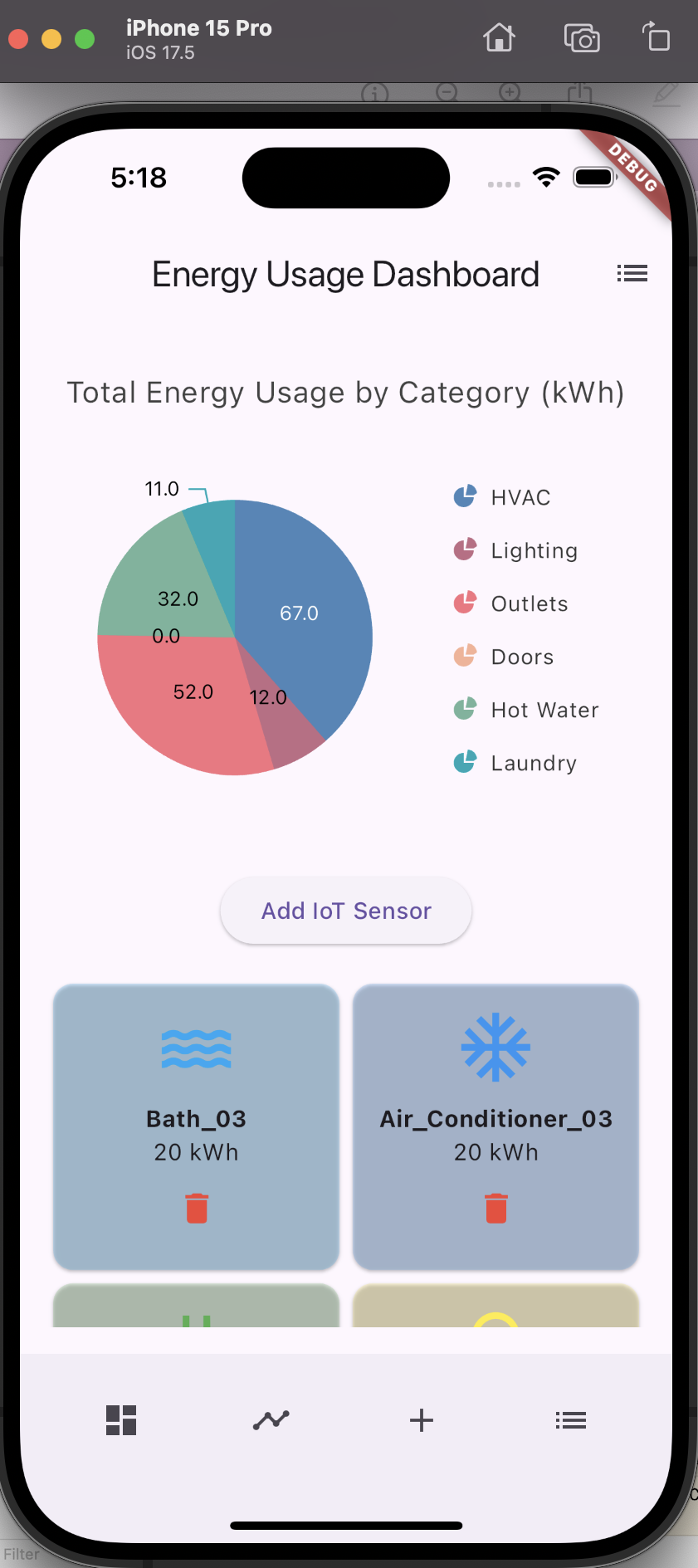
- IoT-Driven Energy Dashboard: Real-time energy tracking system.
- AI Energy Optimization Model (NEW!): Analyzes HVAC, lighting, and MELS for predictive energy savings done as part of CUCAI 2025.
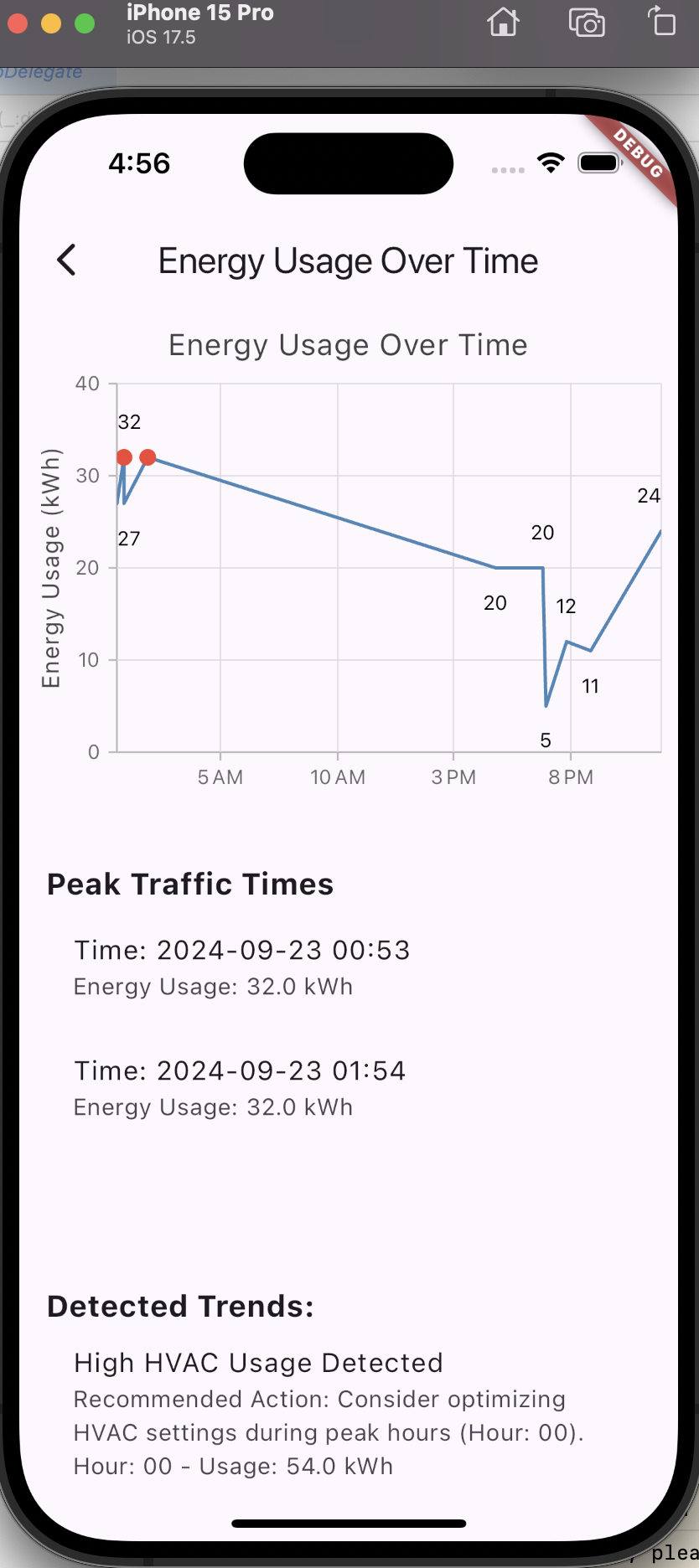
- Data Analysis & Forecasting: Identify trends, peak energy usage, and apply AI-driven optimizations.
👉 Check out the AI analysis & forecasting results inside:
📁 ai-energy-optimization/
👉 Check out the research paper inside:
📄 Read the Research Paper (WIP)
In recent times, energy usage continues to surge and the challenge of reducing GHG emissions by saving energy in different ways is becoming increasingly important. Implementing solutions in cities and buildings is an easy and efficient way to reduce energy consumption on a large scale.
Current energy management systems in buildings often lack the control or the data insight on what parts of the building cause the most energy and are sometimes lacking in detailed analysis. A system to easily monitor, categorize and assess trends and usage rates is needed for effective energy savings as a whole.
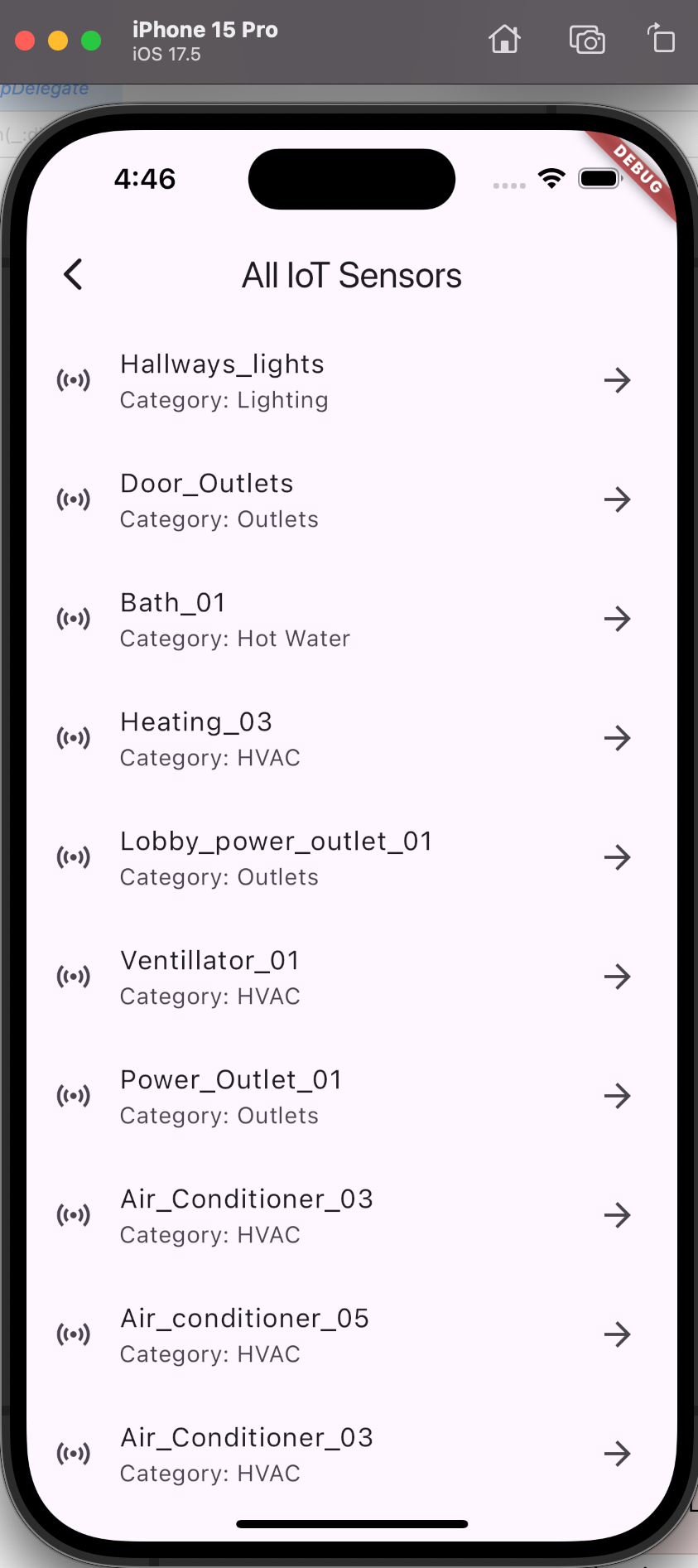
In order to improve the energy monitoring and management of buildings we propose to provide an energy management app that gathers data from IoT sensors placed within buildings in order to monitor energy usage, provide data analysis on the energy data with trends and peak usage times and then provide suggestions for large overall energy savings.
Our proposed solution involves the development of a user-friendly app called Connect where we leverage open-source AI tools for data analysis. The app will serve as a tool for tracking energy usage a data analysis tool for energy breakdown and usage and either connecting directly by wifi or giving suggestions to building. This strategic utilization enhances the app's capabilities, aiming to improve user experience by providing insightful analysis of energy usage through advanced data analysis technology. The app’s software can further be implemented across buildings for large overall energy savings.
🤖 We trained an AI model to forecast energy demand hourly and simulate potential energy savings by adjusting HVAC & lighting use.
💡 Forecasts were extremely accurate, showing potential for real-world implementation in smart buildings.
👉 Explore AI energy forecasting in 📁 ai-energy-optimization/
- GHG Emission Reduction: Widespread adoption across cities could result in 50,000+ tons of CO₂ savings annually, aiding global climate goals.
- City-Wide Implementation: If applied to 50% of buildings in a medium-sized city, emissions could be cut by 20–30%.
- City-Wide Savings: Implementing Connect in 10,000 buildings could yield $50M in annual savings for building managers.
- Energy Audits Simplified: Provides actionable insights to reduce operating costs without hiring specialized consultants.
- Integration Across Climates: Incorporate regional temperature and humidity data to improve model generalizability.
- Residential Application: Adapt for multi-unit residential buildings to enhance tenant comfort and reduce common area costs.