
Open Source projects that provides solution to the challenges of illiteracy and access to digital skills or resources.
- Hackfest: Contains the WOM.fm audio web application. Read the improved documentation via README.md.
- frontend: Contains the NGO website built by the team. Read the documentation via README.md
- NGO_poster: The NGO poster
- Figma_Design

Welcome aboard creative female developers. Open Source is a flourishing and beneficial ecosystem that publicly solves problems in communities and industries using software through a decentralized model and community contributions. Open Source allows users to adapt software to their personal needs and publish any modification for users with similar needs either on the original project or as another project. Open Source is about collaboration (people working with each other).
In the 1950s and 1960s, computer operating softwares were delivered as a part of hardware purchases. Almost all software was produced by academics and corporate researchers, often shared as public-domain software. The A-2 system, developed at UNIVAC in 1953 was believed to be the first example of free and open source software.
In 1997, Eric S. Raymond published a reflective analysis of the hacker community and free software principles paper that received significant attention and motivated Netscape to release their Netscape Communicator Internet suite as free software.
The label “open source” was then adopted by some people in the Freeware Summit held in 1998 at Palo Alto, California, in reaction to Netscape’s announcement of a source code release. Read more
Focusing on contributing to open source projects that provides solution which helps to promote gender equality. Then you have Open Source for Equality. The aim of OSEQ is to help organisations(NGOs, CBO's or individuals) using digital tools to carry out their outreach activities. OSEQ.org is a safe space for female developers to participate in open source projects that promote gender equality.
Contributing to open source happens at all levels, across projects. You don’t need to overthink what exactly your first contribution will be, or how it will look. Instead, start by thinking about the projects you already use, or want to use. The projects you will actively contribute to are the ones you find yourself coming back to. Step to be taken are as follows;
-
Step 1: Have a Github account or click here to sign up if you do not have one.
-
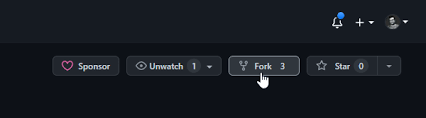
Step 2: Fork the project repository. Find a project on OSEQ.org Github, and then fork it by clicking Fork button in the upper right corner. This helps to create a copy of project repository in your Github account.
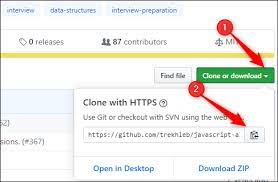
- Step 3: Clone your fork In your repository, click on the green Clone button to copy the HTTPS URL:
-
Step 4: Create a new folder in any directories of your choice on your computer
-
Step 5: Open your Text editor(Visual Studio Code or any editor of your choice)
-
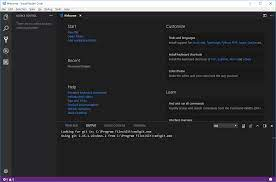
Step 6: Paste the url in the Clone Git Repository section and save it in the folder created
-
Step 7: Open the folder in your text editor and check if our fork is "origin" remote Open your terminal and type
git remote -vto show your current remotes. If no "Origin" remote found, usegit remote add origin URL_OF_FORK -
Step 8: Do the required tasks
-
Step 9: Create a new branch, commit your changes and push your commit to the new branch Creating a new branch is a good practice,it crate an environment for your work wich is different from the master branch. To create a new branch, use
git checkout - b BRANCH_NAME. To commit your changes, usegit add -Ato stage your changes andgit commit -m "YOUR COMMIT COMMENT"to commit your changes. To push your code, usegit push origin BRANCH_NAMEto push your change to the "BRANCH_NAME" -
Step 10 : Make a Pull Request Review carefully before making a pull request and write a descriptive title for your pull request and include more details in the body of the pull request.
-
Step 11 : Add more commits to your pull request and Discuss the pull request.
-
Step 12 : If your contribution is accepted, your Pull Request would be merge. CONGRATULATION ON MAKING YOUR FIRST COMMIT 🎉
- Author : This is the person who created the projects. They have full access to the projects and they assigns roles to members for the project maintenance
- Maintainer : These people helps to keep the project up-to-date, reports issues to make sure that it gets reviewed and merged in a timely manner.
- Contributors: Could be anyone that comments on issues or make pull requests to contribute to the project
- Community Members: These are valuable members of the community that provides feedback about features, bug reports and other errors in the project.
- Flexibility
- Cost-effectiveness
- Scalability
- Building technical work experience
- Gain experience with collaborating with people
- Building communication and soft skills
- Gain domain-specific industry knowledge
- Earn some or more living
- Career growth
- Access to opportunities, mentorship and network opportunities